Beginning
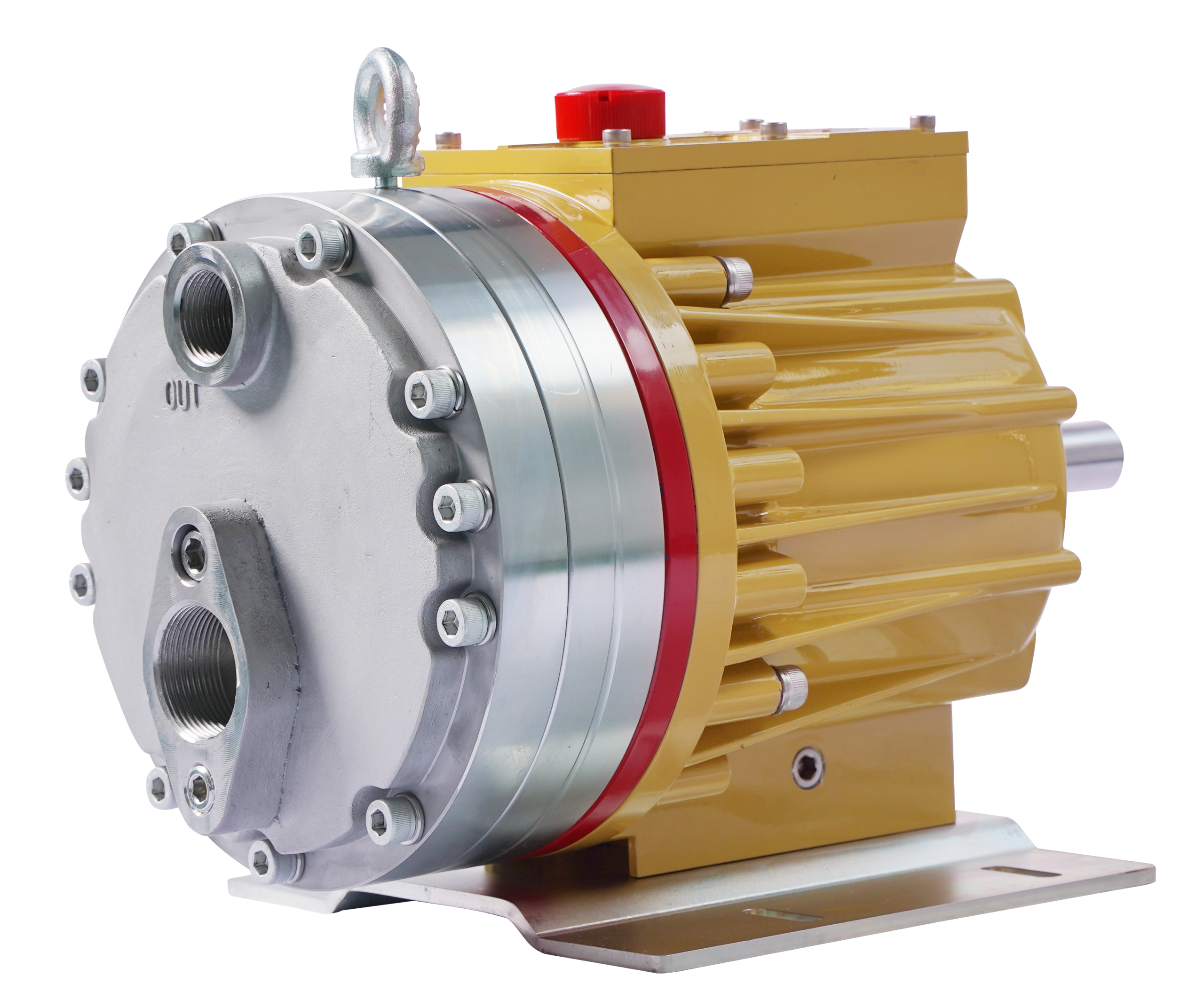
Actuator termed plunger rubber sheet and cover liquid movers manifest a distinctive blend of positive flow and malleable segment approach, delivering robust effectiveness for diverse plant functions. These pump units use a forth-and-back ram also called rod to pressurize liquids versus a yielding sheet, effectively forming movement. Those structure makes possible for outstanding strain capacities typically outstripping PSI levels – while quarantining the fluid substance from the motor unit, protecting it from wear. Recognizing their operational mechanism is crucial; when the cylinder retracts, a area populates with fluid; next, the plunger moving ahead propels this media through the release valve, the adaptive film flexing to handle energy shifts. Such build decreases oozing and manipulation of scratching or shear-sensitive substances—rendering them essential for uses such as chemical manufacture, dosing, and intensive cleaning.
```textStrong-Pressure Pliable Sheet Pumps: Uses and Gains
Barrier liquid movers supply special unique answer for stringent implementations calling for strong pressure. Conventionally engaged in branches like chemical processing, coating application, and water purification, these units work well at handling heavy fluids or those with suspended matter. Merits include their skill to run dry without damage, self-priming characteristics which minimize setup time, and outstanding suction lift – enabling them to draw liquids from submerged sources. Moreover, the structure provides hermetic sealing, preventing leakage of hazardous components and safeguarding safeguarding nature – deeming them a sound choice when working with reactive or damaging substances. The robust assembly secures extended working period even under continuous running states.```Compound-Ram Flexible Plate Pumps for Heavy-Duty Commercial Jobs
Industrial functions typically require durable pumping alternatives, and multi-plunger-style pumps embody a powerful selection. The appliances employ the upsides of pliant barrier technology – outstanding chemical conformity and dry-running properties – combined with multiple cylinders to offer significantly higher capacities compared to single-unit designs. That design provides for exact pressure balancing and operating abrasive or vulnerable liquids, demonstrating them best for procedures using chemical lacquer injection, high-pressure cleaning, and hydraulic power – furnishing improved effectiveness over conventional pumping tactics.
A Dynamism of Strong Force Distributing Systems in Fine Fields
Allocating pumps, performing at pronounced head, function as the necessary section in many detailed applications. The faculty to dispense solutions with distinguished regulation qualifies them acceptable for critical tasks like synthetic usage, reagent administration in technical settings, and hydraulic assessment. The unchanging degree delivered via these state-of-the-art pumps confirms stable results, considerably curtailing excess and elevating overall productivity.Determining this Fitting Rubber Pump: An In-Depth Evaluation
Electing certain ideal diaphragm appliance for your process can be difficult. Multiple factors shape this judgment, including fluid character, flow rate parameters, and pressure strengths. Appraise pneumatic, electric, or hydraulic activated models; each offers distinct advantages and disadvantages. Pneumatic pumps are generally economical and mobile, while electric pumps provide more stable flow, and hydraulic options excel with high pressure processes. A in-depth comparison of these aspects is important for achieving optimal functionality and minimizing downtime.
Resolving Usual Complications with Piston Seal Transporters
Tackling common issues with diaphragm pumps can often prevent costly downtime. A decline in flow rate is a common symptom, possibly due to defective seals or jammed check mechanisms. Inspect the flexing element for cracks or punctures; replacement is often a straightforward solution. Air leaks can result from loose fittings or faulty connections, requiring strengthening. Finally, ensure proper lubrication and consistent maintenance to sustain the pump’s operational lifespan and functionality.
Maximizing Functionality: Attention Strategies for Flexible Apparatus
In order to ensure prime functionality from your air-operated pump, scheduled maintenance is mandatory. Survey the rubber sheets frequently for indications of erosion, such as breaks, and exchange them as needed. Additionally, scrutinize air pressure and liquid transfer rate; inconsistencies can show issues with the pneumatic device. Purge the pump chamber periodically to remove any assembled debris, and oil moving parts according to the producer’s rules. To conclude, keep your suction lines free from obstructions.Assessing Multi-Piston vs. Single Plunger Assemblies
Considering opting for a hydraulic platform, the resolution between a poly-ram and a one plunger design presents substantial differences. Typically, single-ramrod systems offer straightforwardness and are advantageous for minimal capacity applications, while multi-actuator designs provide a means to raise the overall handling ability without needing to significantly increase intensity. Conversely, several plunger systems are often detailed to service and can be richly priced initially.
Future Directions & Enhancements in Elevated Pressure Power Pumping Technology
An anticipated scenario for maximum load pumping technology shows countless promising advances and breakthroughs. Innovations are being driven by the need for augmented power, heightened robustness, and reduced pollution levels across various fields like energy sector, sewage treatment, and chemical treatment. We foresee a rise in digitally integrated architectures; indicators, coupled with predictive maintenance programs, will become commonplace – minimizing downtime and optimizing performance. Emerging materials are critical, including the exploration of ceramic composites for enhanced abrasion resistance & corrosion mitigation. Besides, hydraulic fracturing applications foresee a shift toward Chemical Metering Pump proppantless techniques leveraging higher pressures to achieve equivalent results; cuts down on waste and logistical complexity.
- Analysis into novel pump designs – such as axial piston pumps with variable displacement capabilities and magnetically levitated alternatives aiming for near-zero friction – is gaining momentum.|
- Simplification technologies are crucial, leading to the development of smaller, more agile high pressure pumping units suited for specialized operations.
- Priority on sustainable solutions like electric powered pumps will continue to grow, decreasing carbon footprints and operational costs.